News
Read the latest announcements, events, and pastoral activities from the Diocese.

Confirmation in Budisalc in the Light of the Holy Trinity.
On Sunday, May 31, in the Parish of St. George in Budisalc, during the Holy Mass, young candidates received the Sacrament of Confirmation. The celebra...
Read more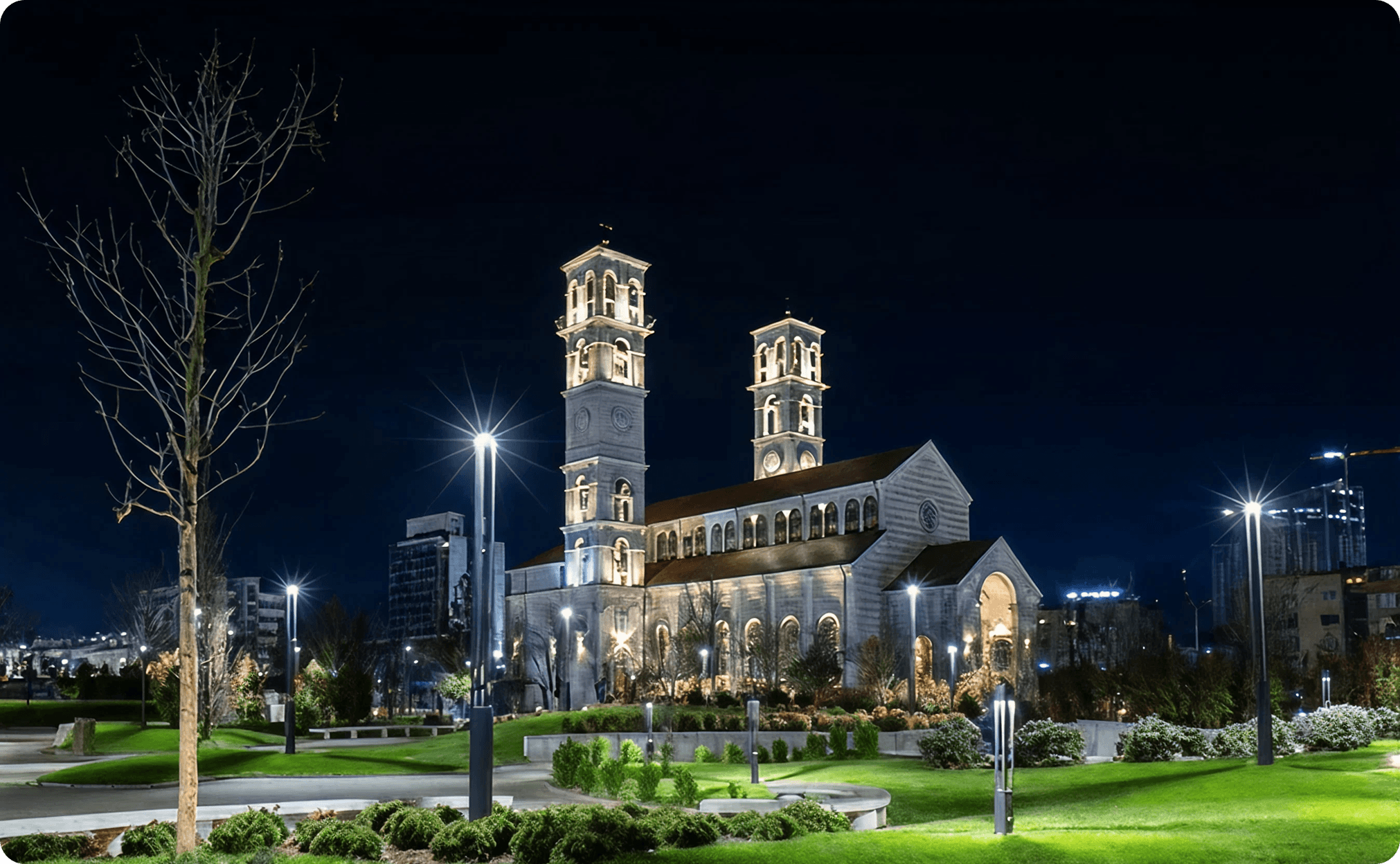
Diocese of Prizren-Pristina
In the Diocese of Prizren-Pristina, in the Catholic Church of Kosovo, there are currently 24 parishes spread across all the main regions of the country. In 22 of these parishes diocesan priests serve, while in one parish religious priests minister - the Franciscans in Gjakova, while the Salesians carry out their educational work at the Don Bosco Center in Pristina and in Gjilan, and within the Diocese there are also two Vocational Schools, Loyola in Prizren and Gjon Nikoll Kazazi in Gjakova. In total, 43 priests serve in the diocese, of whom 30 are diocesan priests and 13 are religious belonging to various religious orders. In addition to them, religious sisters, catechists, and a large number of lay volunteers are also engaged in the pastoral and missionary life of the diocese, helping in pastoral, educational, and charitable activities.
About the Ordinariate of Kosovo
The Ordinariate of Kosovo represents a special form of ecclesiastical structure, which is led by a bishop or ordinary and cares for particular communities of the faithful. Its mission is to strengthen spiritual life, preserve the Catholic tradition, and unite all those who serve and live the faith in different circumstances. Through this organization, the Church ensures pastoral care for every believer, wherever they may be. The Ordinariate is a window for communities living far from the main see or who require particular spiritual support, offering them services, guidance, and moral support. It assists in the organization of parishes, the coordination of priests, and fosters the unity of communities through religious, educational, and social activities, always reflecting the love and mission of the Catholic Church.
In service of the faithful, every day.
Everything you need for prayer, liturgical guidance, and spiritual information – always close to you.
The Proclamation of the Gospel
The spread of Christianity in Kosovo, namely in the territory of the Diocese of Skopje-Prizren, can be said to have its origins in apostolic times. Even though direct historical and archaeological sources are lacking, one must nevertheless take into account the apostolic journeys and the preaching of Saint Paul the Apostle, especially through the cities of these parts of Southeastern Europe via the well-known communication and trade routes of the Illyrian-Roman-Greek world, such as Heraclea, Lyncestis, Nicea, Stobi, Scupi, Ulpiana... which testifies that Christianity was able to take root as early as the first centuries.
Links


Diocesan Magazines
Browse our periodical publications and download the PDFs for reading.